Nature, as awe-inspiring as it is, can also be terrifying. While humans like to think of themselves as the dominant species, without our tools and technology, we are remarkably vulnerable compared to many of the animals we share the planet with.
That’s why it’s essential to approach any interaction with animals—whether in captivity or in the wild—with extreme caution. Unfortunately, there have been numerous tragic incidents where people were seriously hurt or even killed due to such encounters.
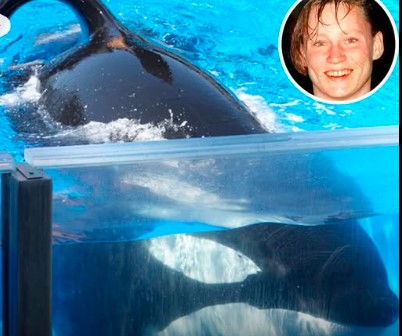
One of the most chilling examples was the death of Keltie Byrne in 1991, who was attacked and killed by three killer whales described by some as “psychotic.”
Keltie was a part-time trainer at Sealand of the Pacific in Canada and a marine biology student. Her job involved working closely with various marine animals, including killer whales—the largest species in the dolphin family.
Tragically, one day she slipped and fell into a 26-foot-deep pool that housed two female orcas and a male named Tilikum. Unknown at the time, Tilikum would later be involved in the deaths of two more people.
Tilikum had been captured near Iceland in 1983 when he was just two years old. After being kept in a concrete tank at Hafnarfjördur Marine Zoo, he was transferred to Sealand the following year, where he spent over a decade in close quarters with the other orcas, Haida II and Nootka IV.
When Keltie fell into their pool, Tilikum reportedly grabbed her, while the two females prevented staff from reaching her. Witnesses said she resurfaced twice before being pulled under and killed.
Trainer Karen McGee later recalled hearing Keltie scream her name. Despite throwing her a life ring, the whales didn’t let her escape. “To them, it was a game,” McGee said. Other visitors reportedly heard Keltie cry out, “I don’t want to die.”
After her death, Sealand shut down permanently. The orcas, including Tilikum, were sold to SeaWorld in Florida. But the story didn’t end there.
In 1999, the body of Daniel Dukes was found in Tilikum’s tank. SeaWorld claimed Dukes had snuck into the park after hours. Then in 2010, Tilikum fatally attacked senior trainer Dawn Brancheau during a live show, drawing international attention. That incident led SeaWorld to end its orca breeding program and stop theatrical whale performances altogether.
Tilikum died in 2017 after battling a bacterial infection, but his legacy remains one of controversy, tragedy, and a stark reminder of the dangers of keeping wild animals in captivity.