Patrick Swayze was born on August 18, 1952, in Houston, Texas, into a family where discipline and creativity coexisted. His father, Jesse Wayne Swayze, worked as a draftsman, while his mother, Patsy Swayze, was a well-known choreographer and dance teacher who had a major influence on his early development. From a young age, he was exposed both to structure and to the performing arts, growing up with an unusual balance of athletic and artistic training.
Patsy Swayze ran a dance studio and later worked professionally in choreography, which gave Patrick early access to formal ballet training and stage performance techniques. As a child, he explored many different interests instead of focusing on just one. He trained in dance, played sports, studied music, and showed early curiosity about acting. This broad foundation helped him develop strong physical coordination and stage awareness across multiple disciplines.
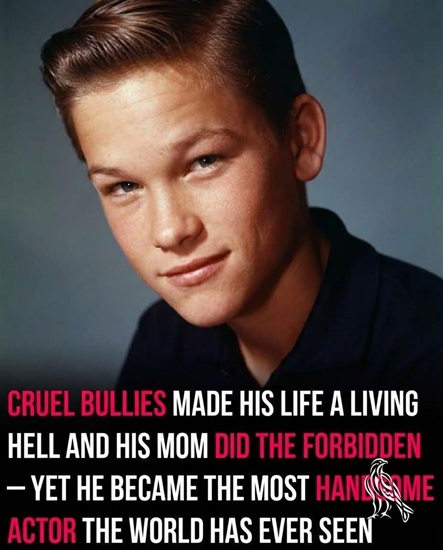
Even with his abilities, his interest in dance sometimes made him stand out among peers in ways that were not always positive. During school, he faced teasing and misunderstanding, especially in environments where traditional masculinity was more associated with sports than the arts.
Rather than giving up dance, he continued training under his mother’s strict but supportive guidance. She taught him discipline, consistency, and resilience, encouraging him to treat criticism as something external rather than personal.
At one stage, Swayze focused seriously on football and showed real athletic promise. However, a severe knee injury during his youth ended his prospects in competitive sports and forced him to reconsider his future.
This setback became a major turning point. Instead of resisting the change, he redirected his energy toward the performing arts. He returned fully to dance and expanded into theater and acting. In his early twenties, he moved to New York City to pursue professional training, studying under demanding instructors and refining both his ballet technique and stage performance skills.
His early career consisted of small stage roles and minor appearances that did not bring immediate fame. Like many performers, he spent years slowly developing his craft, building experience and persistence through gradual progress rather than instant success.
During this time, he worked extensively in theater, where he had to combine physical movement with emotional expression. These experiences strengthened his ability to communicate character through both body language and dialogue. His major breakthrough came in 1987 with the film Dirty Dancing, where he played Johnny Castle. The role brought him international recognition and established him as a major Hollywood star, especially in romantic drama and dance-focused films.
The role demanded strong acting skills as well as intense physical preparation and dance expertise. His background in ballet and performance made him especially suited for it, contributing to the film’s authenticity. After Dirty Dancing became a global success, Swayze achieved widespread fame, which opened new opportunities while also increasing public attention on his life.
As his career developed, he took on diverse roles across action, drama, and romance, intentionally avoiding being typecast. His performances in films like Road House and Ghost further strengthened his reputation. In Ghost, he delivered a performance that combined emotional depth with major commercial success, becoming one of his most iconic roles.
Alongside his professional life, his personal life remained relatively steady compared to many Hollywood careers. He married Lisa Niemi, whom he had met in his teenage years while both were studying dance under his mother. Their long-lasting relationship provided stability throughout his rise to fame and they also collaborated on creative projects.
Despite his success, Swayze faced ongoing challenges, including physical strain from years of demanding performance work and injuries. In 2008, he was diagnosed with pancreatic cancer. Even after his diagnosis, he continued working for as long as possible, staying active in acting projects despite declining health.
This decision reflected his lifelong sense of discipline and dedication to his craft. Rather than withdrawing completely, he remained engaged in his profession until his health no longer allowed it. He passed away on September 14, 2009, at the age of 57, marking the end of a long career in dance, theater, and film.
His legacy extends beyond his film roles. It reflects persistence, adaptability, and a lifelong commitment to performance. From early training to international fame, his journey shows how discipline and resilience, even in the face of setbacks, can shape a lasting and influential career.