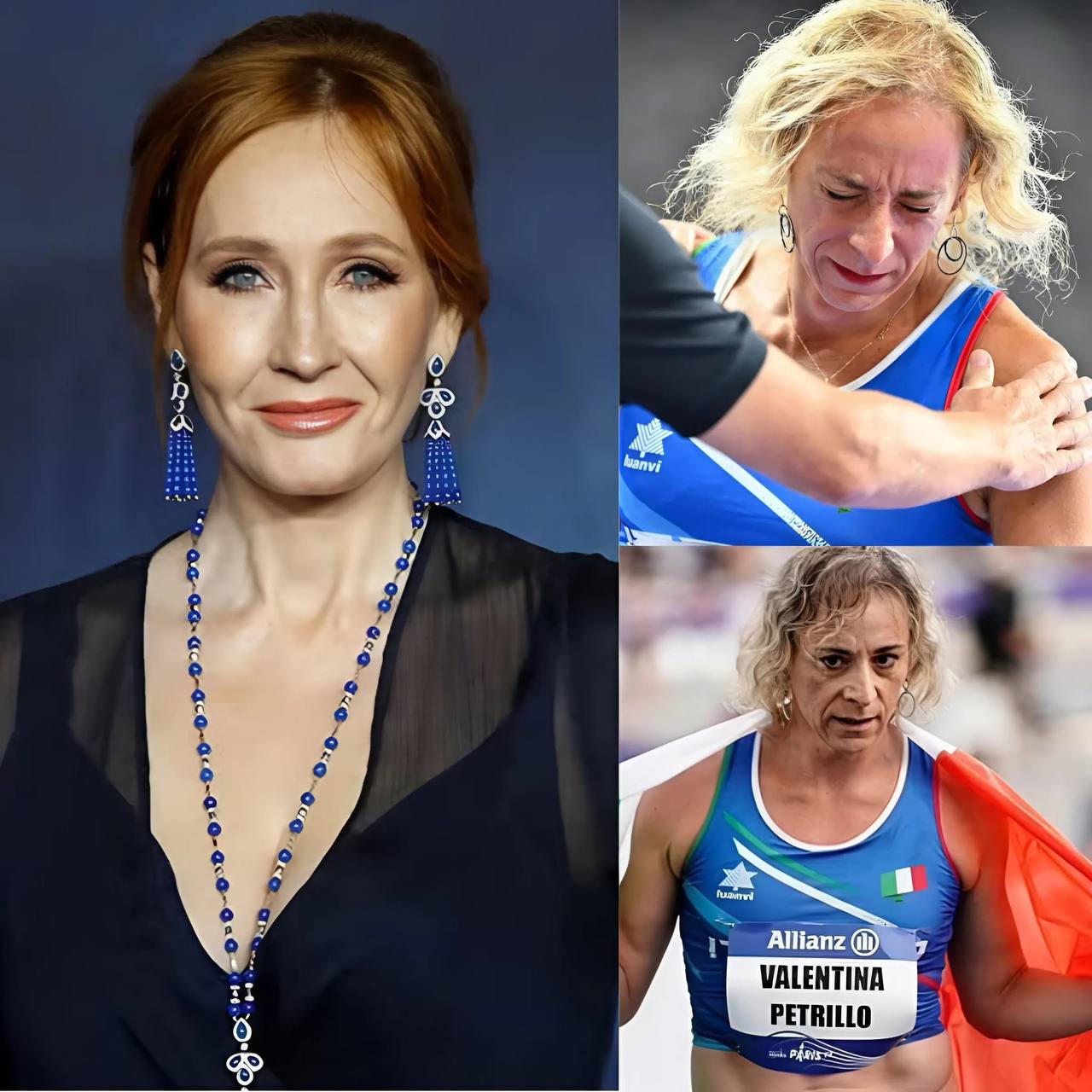
J.K. Rowling Sparks New Controversy by Calling Trans Paralympian a “Cheater”
J.K. Rowling, the internationally famous author of the *Harry Potter* series, is once again at the center of a heated cultural debate. The outspoken writer made headlines after labeling transgender Paralympic athlete Valentina Petrillo a “cheater” in a provocative social media post. Her remarks have reignited intense discussions around the inclusion of transgender athletes in women’s sports and the definition of fairness in competition.
Rowling’s View: “Protect Women’s Sports”
Rowling has long been vocal about her views on gender and sex-based rights. In her latest statement on X (formerly Twitter), she criticized Petrillo—a visually impaired transgender sprinter who transitioned in her 40s—for participating in women’s events.
“Competing in women’s sports while maintaining the advantages of male physiology isn’t fair—it’s cheating,” Rowling wrote. “Women’s sports exist to ensure a level playing field. We must preserve that integrity.”
Her post has once again drawn both support and criticism, as people debate the intersection of transgender inclusion and women’s rights.
Spotlight on Valentina Petrillo
Valentina Petrillo, an Italian sprinter, has competed under regulations set by athletic governing bodies, which require hormone therapy and compliance with specific standards for transgender participation. Despite following the rules, critics argue that trans women retain physiological benefits—such as muscle mass and bone density—that create an unfair edge.
Petrillo responded to the controversy with a statement defending her position:
“I compete according to the rules and am proud of what I’ve achieved. I believe in fair competition and respect all my fellow athletes.”
A Divided Public
Rowling’s comments have sharply divided public opinion. Supporters commend her for speaking out on behalf of women’s sports and biological fairness.
“J.K. Rowling is standing up for female athletes and the integrity of women’s sports,” said Karen Mitchell, a former college athlete. Social media users amplified this sentiment, pushing hashtags like #ProtectWomensSports into trending status.
On the flip side, LGBTQ+ groups and trans advocates condemned Rowling’s post as transphobic and harmful.
“Statements like this are damaging and dismissive of transgender people’s struggles,” said Alex Johnson, spokesperson for an LGBTQ+ advocacy organization. “Everyone deserves the chance to compete with dignity.”
The Bigger Picture: Sports, Fairness, and Inclusion
This controversy reflects broader tensions facing sports organizations worldwide. Governing bodies like the International Olympic Committee and World Athletics have implemented evolving guidelines meant to balance fairness with inclusion. Still, the question remains contentious, with proposals ranging from new categories to revised eligibility standards—all of which raise ethical and logistical dilemmas.
Rowling’s Cultural Impact
Rowling’s influence on social debates is undeniable. With a global audience and a massive following online, her statements often amplify already-divisive topics. For some, she is a defender of women’s rights; for others, she perpetuates harmful rhetoric about trans individuals.
No matter where people stand, her involvement ensures that discussions about gender, sports, and fairness remain in the public spotlight.
Conclusion: A Debate with No Easy Answers
The inclusion of transgender athletes in women’s sports remains one of the most complex and emotionally charged issues in modern athletics. As figures like Valentina Petrillo continue to compete and challenge long-held norms, society must grapple with the evolving definitions of equity and identity.
One thing is certain: this debate goes beyond athletics. It speaks to deeper cultural questions about who we are, what fairness means, and how to build systems that honor both inclusion and integrity.