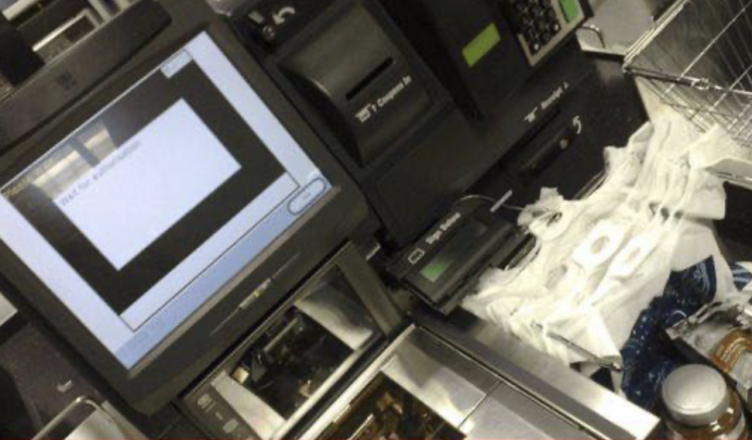
In an age in which self-service checkouts are the norm in supermarkets, one grocery chain in the United Kingdom is taking a risk by restoring checkouts that are manned by full-time employees. According to Booths, an upscale grocery chain that has 27 stores in the counties of Lancashire, Cumbria, Yorkshire, and Cheshire, the company has made the decision to eliminate the majority of its self-service tills in favor of human interaction and customer care.
Booths, which has been dubbed the “Northern Waitrose” due to the quality of its products and the care it provides to customers, has taken an uncommon stance on this matter. The decision to do away with self-service checkouts was driven by the comments received from customers as well as the expectation of providing a more individualized shopping experience. The managing director of Booths, Nigel Murray, emphasized the company’s commitment to ensuring the happiness of its customers by saying, “Over the course of time, our customers have informed us that the self-scan machines that we have in our stores can be slow, unreliable, and impersonal.”
It is in line with the goals of the supermarket to provide “high levels of warm, personal care” that the decision was made to reintroduce human cashiers in the majority of Booths stores. Booths is arguing for “actual intelligence” to be supplied by human cashiers in an age where automation and artificial intelligence are becoming becoming more commonplace in the retail business.
The choice made by Booths has sparked a heated discussion over the benefits and drawbacks of self-service checkout procedures, especially in view of the ongoing issue of theft. According to the British Independent Merchants Association (BIRA), the current level of retail theft is a significant problem for retailers that rely on self-service tills, which may be a costly risk. This challenge is especially problematic for retailers who rely on self-service tills. Both the overall cost-benefit analysis for retailers and the efficacy of automated checkout systems in preventing theft are called into doubt as a result of this.
Booths’ decision to return to fully staffed checkouts is not a one-size-fits-all approach since they want to maintain self-service tills at just two of their shops, which are located in the Lake District at Keswick and Windermere. The reason for these exclusions is because there is a substantial amount of customer traffic in the shops, especially in areas where the ease of self-service may still be preferred.
Booths, which has been successfully operating since the year 1847, is a testament to the ever-present significance of providing individualized service to customers. In this day and age of convenience and mechanization, the grocery store chain is putting an emphasis on the human touch, acknowledging the significance of face-to-face interaction in the process of cultivating customer loyalty.
As the food industry continues to develop, the decision made by Booths to promote “actual intelligence” rather than artificial intelligence may serve as a reminder of the continued importance of people connections in the retail sector. Despite the fact that self-service technology is handy, it is essential to strike a balance between automation and human attention in order to satisfy the various desires and preferences of customers.
The fact that Booths has brought back human cashiers to its locations is evidence that the firm is committed to giving customers with a shopping experience that goes beyond only completing simple transactions. In a market that is very competitive, this statement is a proclamation about the everlasting worth of client relationships and the notion that a kind and personal touch may differentiate a business from its competitors.