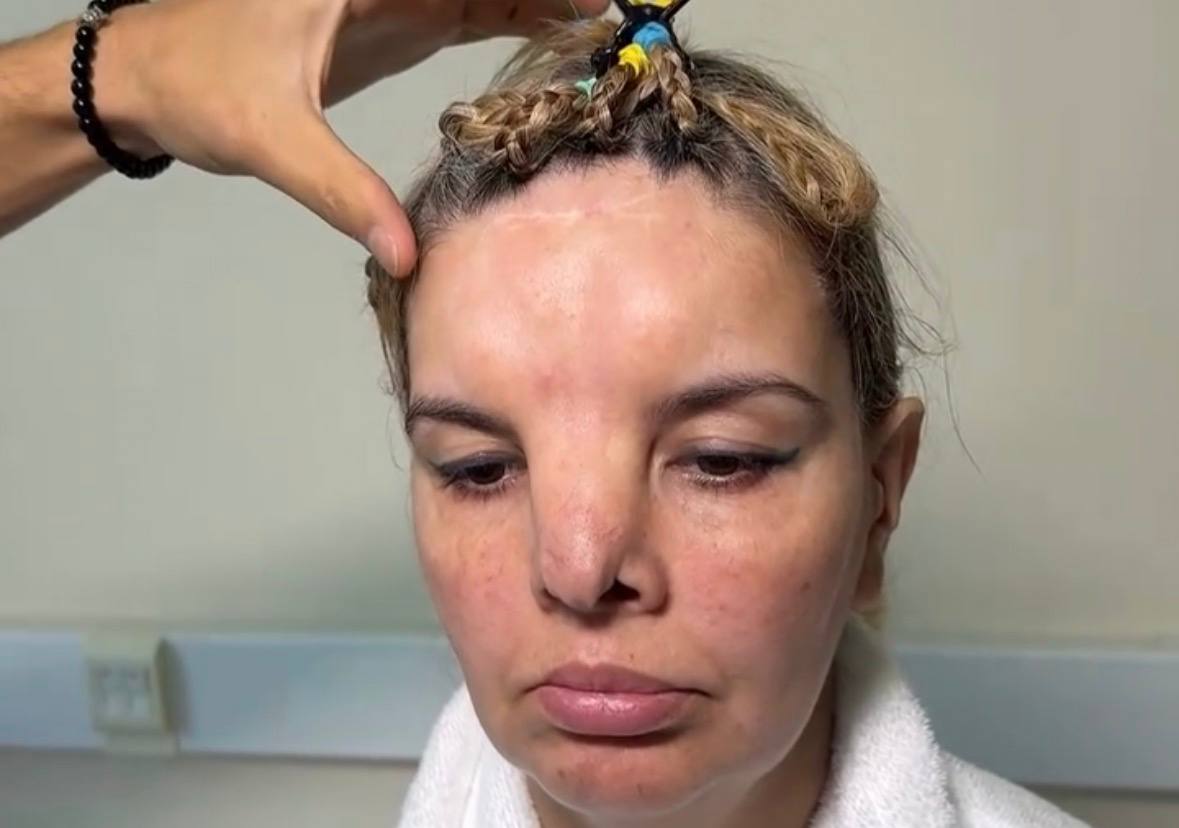
More than 1 million views, countless reactions, and a clinical case that has captured widespread attention. Yet, the true significance of this case lies far beyond its popularity. Today, we are sharing another important stage of the surgical procedure, highlighting the anatomical challenges that demanded exceptional precision, careful planning, and advanced surgical expertise. 🧠🔬
Every surgical case presents its own challenges, and sometimes seemingly minor anatomical details can have a major impact on surgical planning and execution.
One of the most remarkable aspects of this case was the unusually high anatomical position of the supraorbital foramina and the nerves passing through them. This variation represented an important surgical consideration, as it was essential to achieve the intended surgical goals without compromising the integrity or function of these delicate neural structures.
In cases like this, successful surgery involves much more than simply removing a neoplasm. It requires a comprehensive understanding of the individual anatomy, careful evaluation of potential risks, and thoughtful selection of the safest and most effective surgical approach. Each maneuver must be performed with precision, since even subtle anatomical differences can significantly influence the course of the operation.
Despite these challenges, we were able to preserve the function of both supraorbital nerves while successfully completing the planned surgical intervention. This outcome underscores the importance of meticulous preoperative assessment, surgical experience, and a personalized approach to complex cases.
By sharing these details, our aim is not merely to demonstrate the technical aspects of surgery, but also to provide insight into the clinical decision-making behind it and emphasize the importance of recognizing anatomical variations in modern surgical practice.
However, there is still an important part of this story to come.
After surgical removal, histopathological analysis of the neoplasm becomes essential. This examination provides valuable information about the lesion’s nature and biological characteristics, helping guide decisions regarding additional treatment and future surveillance.
In our upcoming reel, we will reveal the final postoperative result, present the histopathological findings, and address several important questions: What is the likelihood of recurrence? Will further monitoring be necessary? And what can be expected regarding the patient’s long-term prognosis?
Understanding these findings is fundamental to developing an appropriate follow-up strategy and determining the next steps in patient management. Nevertheless, prognosis must always be considered individually, taking into account the clinical presentation and histopathological characteristics of each case.
We sincerely appreciate your continued interest, confidence, and support. Stay connected and follow our page as we bring you the next chapter of this fascinating clinical case, including its final results and important clinical insights.