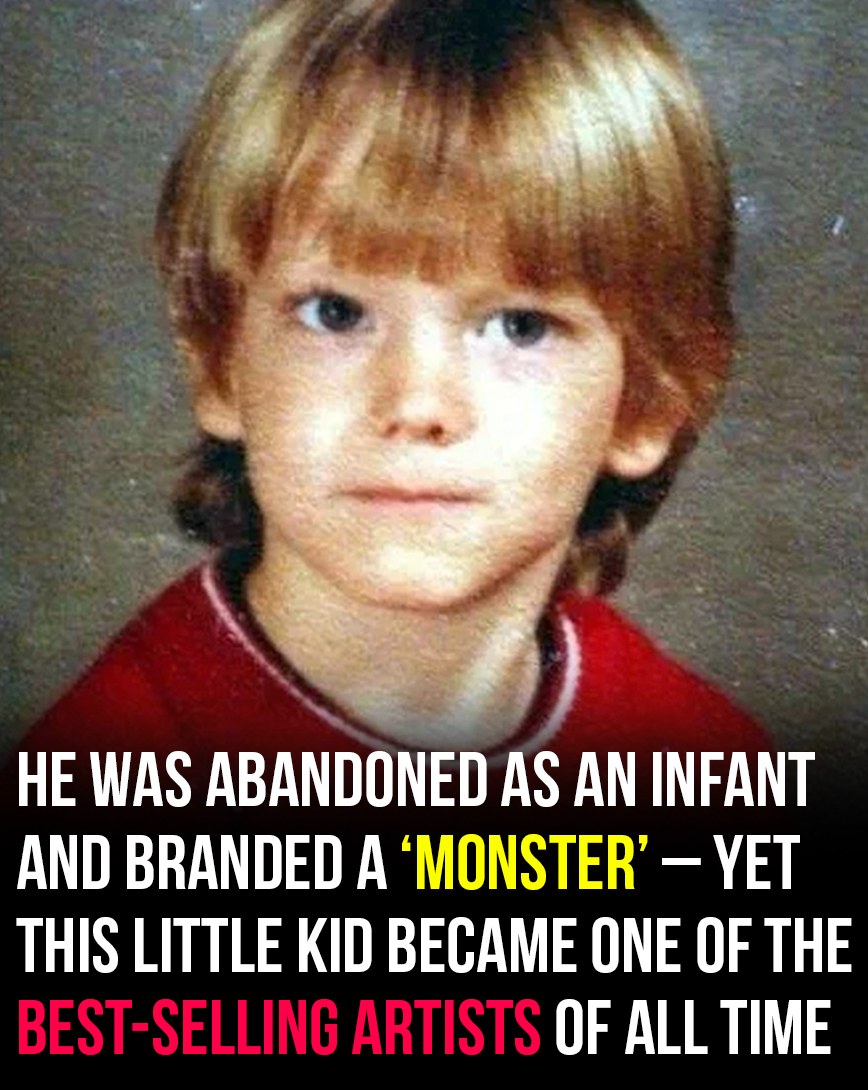
Few stories in modern music are as powerful and unfiltered as the life of Marshall Bruce Mathers III — the world knows him as Eminem. Born into poverty, instability, and emotional trauma, he grew up surrounded by neglect and hardship.
Rather than being broken by it, he transformed that pain into fuel — reshaping hip-hop and redefining what lyrical honesty could look like. Today, Eminem is recognized as one of the greatest rappers in history, a trailblazer whose influence stretches across cultures, countries, and generations.
But his legacy is about more than fame. It’s about endurance, survival, and the ability to turn suffering into art. Marshall Mathers was born on October 17, 1972, in St. Joseph, Missouri, into a life marked by chaos and abandonment. His father left when he was still a baby, and they had virtually no relationship during his childhood.
As he grew older, Marshall tried to reach out through letters, but the distance between them never closed. Reflecting on that absence later in life, Eminem shared that his father could have been present — even briefly — but chose not to be, a realization that left a lasting emotional scar.
Growing up without a consistent male role model shaped him deeply. His mother, Debbie Mathers, struggled with addiction and instability, and although she had multiple partners over the years, none provided the steady guidance or security Marshall needed.
His childhood was also marked by constant movement. He and his mother frequently relocated between Missouri and Detroit, living in public housing and enrolling in one school after another. This instability made it nearly impossible for him to form lasting friendships, leaving him isolated and exposed.
He later spoke about changing schools several times a year, describing repeated beatings, locker shoves, and hallway assaults — the constant reality of being the “new kid.”
At just nine years old, the bullying reached a terrifying level. During a playground incident, he was struck in the face with a snowball containing a hard object, leaving him unconscious with a concussion and temporary vision loss in one eye. His mother sued the school district for negligence, but the case was ultimately dismissed.
A Home Shaped by Neglect and Turmoil
If school was harsh, home offered little refuge. Marshall grew up in an environment defined by addiction, instability, and emotional neglect. He has publicly accused his mother of substance abuse, prescription drug misuse, and later, financial exploitation of his success.
Though she denied many of these claims and even filed a defamation lawsuit against him — later reduced to a small settlement — the emotional damage was already deeply rooted.
Eminem has spoken about feeling misunderstood and emotionally abandoned as a child, describing a home where discipline, anger, and confusion replaced care and stability. That fractured relationship became one of the deepest emotional forces behind his music.
Bullying, Identity, and Isolation
At school, the challenges continued. As a white kid growing up in predominantly Black neighborhoods of Detroit, Eminem often stood out and became an easy target. The harassment was constant — verbal abuse, physical violence, and relentless intimidation.
Without a stable father figure, he searched for guidance wherever he could find it. Among the many men who passed through his life, only one — his younger brother’s father — offered something close to what a real father provides: time, presence, and simple moments of normalcy like playing catch or going bowling.
That brief consistency stood out because it was so rare.